
Whiskey and Bourbon’s Most Expensive and Important Ingredient
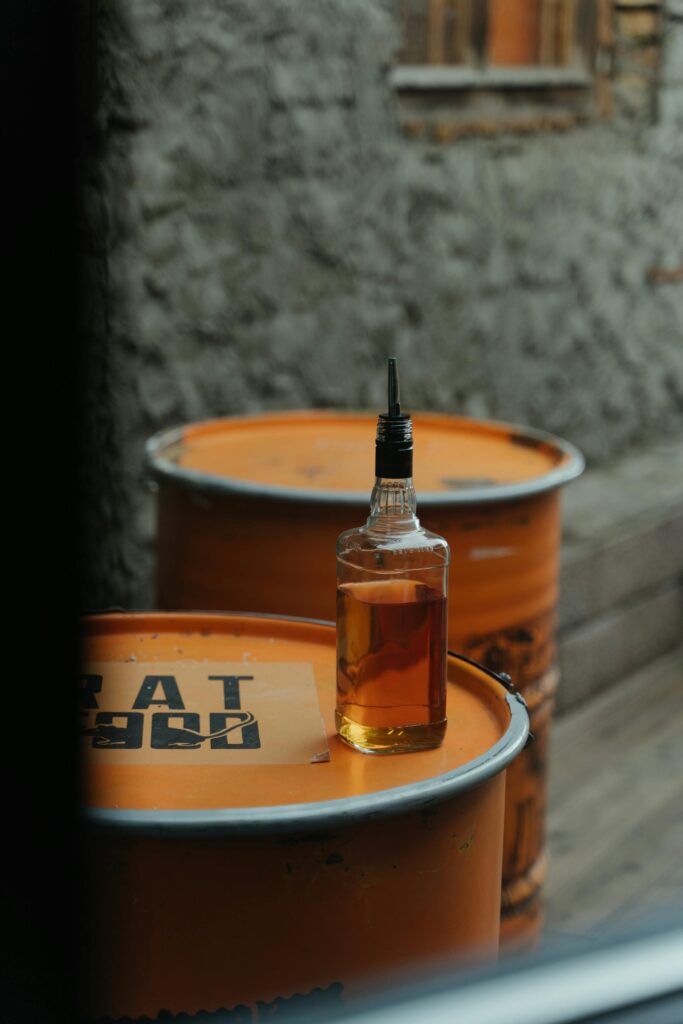
When it comes to crafting a fine bottle of whiskey or bourbon, there’s one ingredient that stands above the rest—not the grains, not the water, and certainly not the yeast. The most expensive and arguably most important ingredient? The oak barrel. That’s right, the very thing responsible for the deep, complex flavors whiskey lovers crave isn’t the mash bill—it’s the barrel itself.
Breaking Down the Cost of Whiskey Production
Ever wondered what makes up the cost of your favorite bottle of bourbon or whiskey? Let’s take a look at the estimated cost breakdown by percentage:
- Grains (Corn, Rye, Barley) – 10-15%
- Water – <1%
- Yeast – <1%
- Oak Barrel – 40-50%
- Bottling (Glass, Cork, Label) – 10-20%
- Aging Losses (“Angel’s Share”) – 10-15%
- Additional Ingredients & Additives – <1%
That’s right—oak barrels make up nearly half the total cost of producing bourbon and whiskey. And it’s not just about cost; the barrel is where the magic happens. Without aging in charred American oak barrels, whiskey would lack the rich flavors and golden hues that define it.
Why Are Oak Barrels So Expensive?
A fine American oak barrel doesn’t come cheap. On average, a brand-new barrel costs between $300 and $600, and bourbon production regulations require the use of new barrels each time. That means after just one batch, distilleries must buy a whole new set of barrels. Talk about a pricey habit!
The expense comes down to several factors:
- Premium American White Oak – Sourced primarily from Missouri, Kentucky, and Tennessee, this wood is highly valued for its durability and flavor-enhancing properties.
- Handcrafted by Coopers – Skilled artisans, known as coopers, construct each barrel by hand, ensuring a perfect seal without glue or nails.
- Charred to Perfection – Before use, barrels are fire-charred on the inside to caramelize the wood sugars, unlocking vanilla, caramel, and spice flavors that define bourbon.
If you’re aging spirits at home, a small oak barrel lets you experience the same magic—without the sky-high price tag.
What Happens Inside the Barrel?
While whiskey sits inside a barrel, it undergoes a transformation. The oak not only infuses flavor but also acts as a natural filter, removing harsh notes and smoothing out the spirit. Here’s how the barrel impacts your whiskey:
- Color Development – Whiskey enters the barrel clear, but after aging, it emerges golden amber due to the wood’s tannins.
- Flavor Enhancement – Oak imparts notes of vanilla, caramel, spice, and smoke.
- Oxidation & Evaporation – Oxygen slowly interacts with the whiskey, mellowing its bite, while some liquid is lost to evaporation (aka the Angel’s Share).
- Char Interaction – The charred interior breaks down lignins in the wood, releasing sweet and toasty flavors.
The longer whiskey ages, the more influence the barrel has. However, larger barrels take years to reach peak flavor, which is why mini oak barrels are a great solution for aging at home—they accelerate the process, allowing you to enjoy results in weeks instead of years.
The Angel’s Share – A Costly Loss
Whiskey lovers may appreciate the romantic notion of the Angel’s Share—the portion of whiskey that evaporates over time—but distillers see it as lost profit. Over the years, anywhere from 10-15% of the whiskey inside a barrel vanishes into thin air. The longer a whiskey ages, the greater the loss, which is why older whiskeys cost significantly more.
Bottling and Packaging – More Than Just a Pretty Label
Once the whiskey has aged to perfection, it needs to be bottled. While bottles, corks, and labels may seem like minor details, they account for 10-20% of production costs. A fancy custom bottle can push the price even higher.
But let’s be honest—while a cool-looking bottle might catch your eye, it’s what’s inside (and how long it spent in a quality oak barrel) that truly matters.
Aging Whiskey at Home – Get the Barrel Without the Big Distillery Costs
Good news for home whiskey enthusiasts—you don’t need to own a distillery to experience the magic of barrel aging. A small whiskey barrel allows you to age and enhance store-bought whiskey, bourbon, tequila, or even cocktails right in your own home.
Why try a small oak barrel?
- Ages whiskey faster – The smaller the barrel, the higher the surface-to-volume ratio, speeding up the aging process.
- Customizable flavors – Experiment with different aging times and even re-use the barrel for unique infusions.
- Great for gifts – Whether for a whiskey lover or home bartender, a mini whiskey barrel is a unique and practical present.
Conclusion – The Unsung Hero of Whiskey and Bourbon
While grains, water, and yeast play their roles in whiskey-making, the oak barrel is truly the heart and soul of bourbon and whiskey. It’s the most expensive ingredient, the most influential in flavor, and—without a doubt—the most important part of the aging process.
So next time you sip on a glass of well-aged bourbon, take a moment to appreciate the barrel that made it all possible. And if you want to experience the magic for yourself, why not grab a small whiskey barrel and start aging your own spirits at home?