
Pernod Ricard Faces Challenges Amid Chinese Tariffs
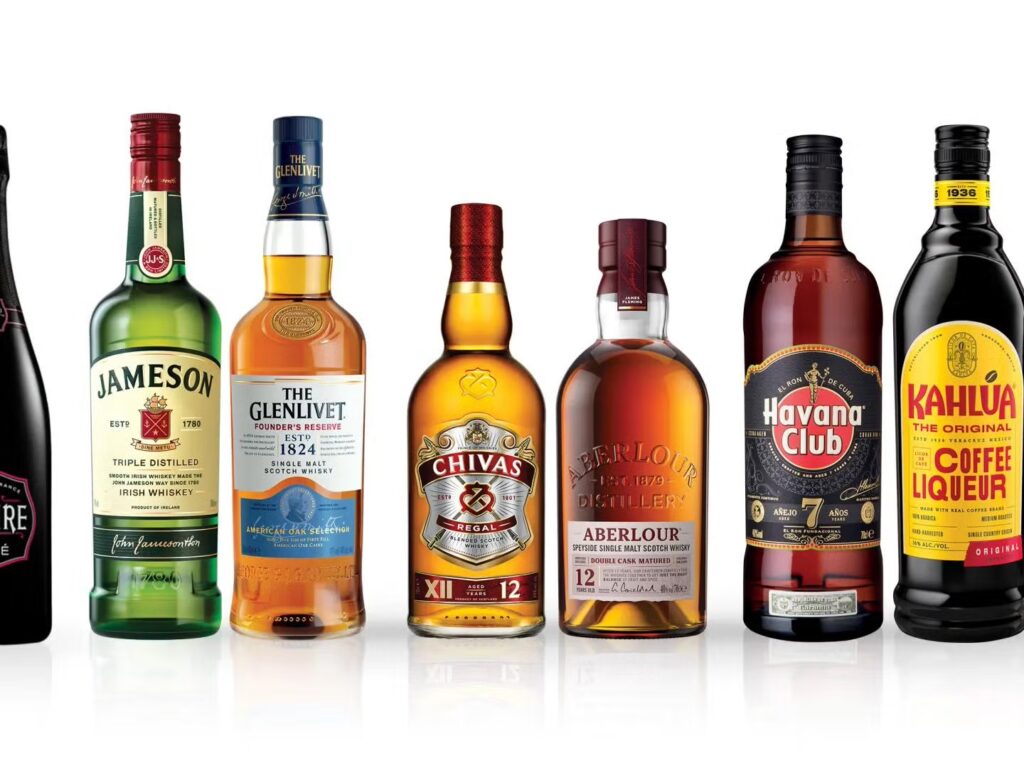
In the complex world of international trade, even the most seasoned players can find themselves navigating turbulent waters. Pernod Ricard, the French spirits giant known for brands like Martell Cognac and Absolut Vodka, is currently facing significant challenges due to recent Chinese tariffs on European brandy imports. These tariffs have not only impacted sales but have also prompted the company to reassess its strategies in one of its most lucrative markets.
The Impact of Chinese Tariffs on Pernod Ricard
In early 2025, China imposed temporary tariffs on European brandy imports, a move that has heavily affected Pernod Ricard’s flagship brand, Martell Cognac. This decision led to a staggering 25% decline in sales in China during the first half of the fiscal year, contributing to approximately 90% of the company’s overall sales decline.
The financial repercussions are substantial. Pernod Ricard has revised its sales forecast for the fiscal year, now anticipating a low single-digit decline in organic net sales, a significant shift from its previous expectation of growth.
Strategic Responses to the Tariffs
Facing these challenges, Pernod Ricard is implementing several strategies to mitigate the impact:
-
Diversification of Product Portfolio: With Martell Cognac accounting for a significant portion of its business in China, the company is focusing on promoting other brands within its portfolio to reduce dependency on a single product line.
-
Operational Efficiencies: The company aims to optimize its operations and simplify its organizational structure, targeting around €1 billion in efficiencies over the next four fiscal years.
-
Supply Chain Adjustments: To counteract the financial impact of the tariffs, Pernod Ricard is exploring adjustments in its supply chain and pricing strategies. The company estimates that tariffs from China and potential new U.S. levies could lead to a hit of up to €200 million annually, with approximately €130-140 million related to Chinese cognac duties.
Broader Implications for the Spirits Industry
Pernod Ricard’s situation underscores the vulnerability of the global spirits industry to geopolitical tensions and trade policies. The imposition of tariffs can swiftly alter market dynamics, affecting not only sales but also long-term strategic planning. Companies may need to consider diversifying their markets and supply chains to mitigate such risks in the future.
Enhancing Your Spirits at Home
While global brands navigate these challenges, spirits enthusiasts can take a hands-on approach to crafting unique flavors at home. Using small oak barrels, you can age and infuse your favorite liquors, creating personalized blends that reflect your taste preferences.
Why Use Small Oak Barrels?
-
Accelerated Aging: The increased surface area relative to volume allows for faster interaction between the wood and the spirit, reducing aging time from years to months.
-
Flavor Customization: Experiment with different spirits, from whiskey to rum, and infuse them with flavors like vanilla, caramel, or spices, achieving a profile that’s uniquely yours.
Getting Started
-
Select Your Barrel: A 2-liter oak aging barrel is an excellent choice for beginners. Its manageable size makes it perfect for home use.
-
Prepare the Barrel: Rinse the barrel with warm water to ensure it’s clean and to check for leaks.
-
Choose Your Spirit: Fill the barrel with your preferred liquor. Consider starting with a base spirit like whiskey or brandy.
-
Monitor the Aging Process: Store the barrel in a cool, dark place and taste the spirit periodically. Small barrels can impart desired flavors in as little as a few weeks.
-
Enjoy Your Creation: Once the spirit reaches your preferred taste, transfer it to a bottle and savor the fruits of your labor.
Embarking on this journey not only enhances your appreciation for fine spirits but also offers a creative outlet to explore and develop your palate.
Conclusion
Pernod Ricard’s experience with Chinese tariffs highlights the intricate interplay between global trade policies and the spirits industry. As companies adapt to these challenges, consumers have the opportunity to engage more deeply with their favorite beverages. By aging and flavoring spirits at home, you can craft personalized experiences that reflect both tradition and innovation.