
The Art Of Beer Fermentation In Barrel: A Guide For Homebrewers
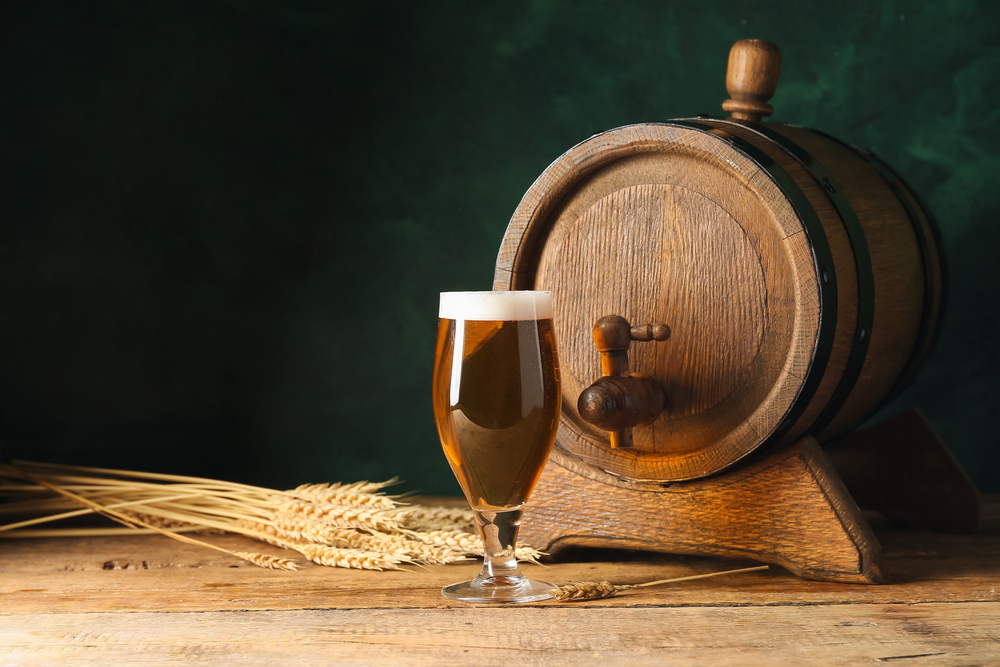
Crafting your own beer brings unmatched satisfaction, especially when exploring traditional methods like beer fermentation. The interaction between ingredients and wooden barrels creates distinctive flavors that elevate homebrewed beer to a new level.
Choosing the Right Barrel for Beer Fermentation
Selecting the ideal barrel shapes the final taste of homebrewed beer. Oak barrels, known for their porous nature, allow oxygen to interact with the beer, enhancing flavor profiles. The size of the barrel also influences the intensity of these flavors, with smaller barrels creating stronger notes due to greater surface area exposure.
New barrels impart strong oak and tannin characteristics, while used barrels introduce subtle complexity through residual flavors from previous contents. Some homebrewers opt for barrels that previously held wine or spirits, such as whiskey or rum, to add unique dimensions to their creations.
Preparing Barrels Properly Before Fermentation
A well-prepared barrel ensures the success of beer fermentation. Inspecting for leaks and swelling the barrel with water tightens the staves, preventing leaks during fermentation. It’s important to rinse thoroughly to remove any leftover wood debris or unwanted flavors.
Sanitization is critical to avoid contamination. Using boiling water or an appropriate chemical sanitizer sterilizes the barrel effectively. This step creates a clean environment, ready to foster optimal fermentation conditions for homebrewed beer.
Enhancing Beer Flavor Through Barrel Aging
Barrel aging adds depth and character to beer, producing a range of aromas and flavors. Time plays a key role in this process. Allowing beer to age longer in the barrel enhances its complexity, introducing notes like vanilla, caramel, or spice.
Temperature control affects the extraction of flavors from the barrel. Warmer environments accelerate the process but may risk over-extraction. Cooler settings allow for a more gradual and balanced flavor development. Rotating barrels periodically ensures even contact between the beer and the barrel’s surface.
Monitoring Fermentation Progress to Achieve Desired Results
Consistent monitoring guarantees the quality of the final brew. Regularly sampling beer during fermentation identifies changes in flavor and aroma, enabling adjustments to meet desired profiles. Specific gravity measurements help track fermentation activity and sugar conversion.
Close attention to fermentation temperature prevents off-flavors. Maintaining an ideal range based on the yeast strain ensures smooth progress. If any issues arise, addressing them promptly ensures the beer stays on course toward perfection.
Cleaning and Maintaining Barrels for Future Batches
Proper maintenance extends the life of a barrel and ensures consistent results. After fermentation, rinse barrels immediately to remove residual beer and prevent mold. A mild cleaning solution eliminates any lingering contaminants.
Dry storage is vital to preserve barrels between uses. Keeping them filled with a sulfite solution prevents drying and cracking, maintaining their structural integrity. Regular inspections ensure barrels remain ready for the next round of brewing, continuing to deliver exceptional results.
Brew Top Shelf Beer with Red Head Barrels
Boost your homebrewing experience by fermenting beer in barrels from Red Head Barrels. We offer premium oak barrels that deliver unique flavor profiles for every batch. Our collection also includes spirit making kits, helping beginners join in the fun of beer making art.