
How the Length of Aging in Oak Barrels Affects Whiskey’s Flavor Profile
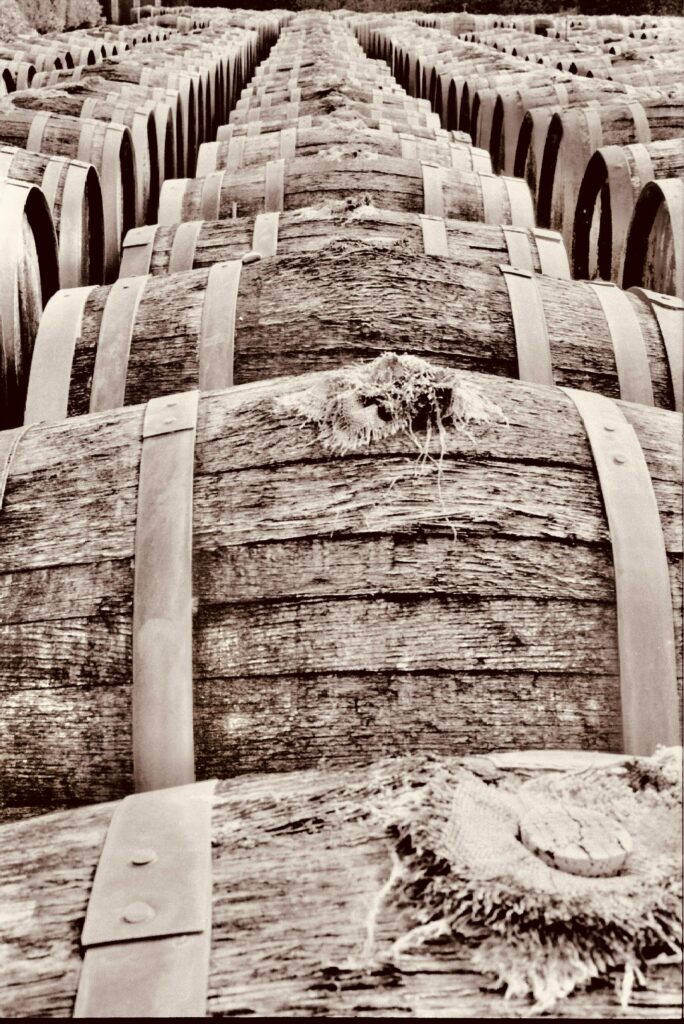
Whiskey aficionados know that aging is a key factor in determining the character and smoothness of their favorite spirit. But how exactly does the length of aging in oak barrels influence the flavor profile of whiskey? The answer lies in the relationship between time, wood, and spirit. In this article, we’ll explore how aging whiskey in oak barrels for different lengths of time creates varying flavor profiles, and why using small oak barrels can help you achieve the perfect balance of flavors in your home-aged whiskey.
At Red Head Barrels, we specialize in providing high-quality new oak barrels for sale to help you craft your own custom-aged whiskey, bourbon, or rum at home. Let’s dive into how the length of aging affects whiskey’s flavor and how you can use that knowledge to craft the perfect spirit.
The Role of Oak Barrels in Aging Whiskey
Oak barrels are essential for developing the rich, smooth flavors that make whiskey so beloved. When whiskey is placed inside an oak barrel, it begins a chemical process that gradually alters its flavor. The interaction between the whiskey and the wood is responsible for adding vanilla, caramel, spice, and even smoky notes to the drink.
But aging whiskey isn’t a simple process of just waiting for time to pass. The length of aging in oak barrels is crucial in determining the final taste. The more time the whiskey spends in the barrel, the more it picks up from the wood. However, the relationship between aging time and flavor is complex—too little aging and the whiskey can taste raw and sharp, while too much aging can result in overly woody or bitter flavors.
At Red Head Barrels, our new oak barrels for sale allow you to experiment with the length of aging, helping you find the perfect whiskey flavor profile to suit your taste.
How Aging Time Affects Whiskey’s Flavor Profile
Whiskey undergoes a significant transformation as it spends time inside an oak barrel. The length of aging impacts the flavor in several ways, from subtle sweetness to bold, complex layers. Here’s how aging whiskey for different amounts of time affects its taste:
Short Aging (1-3 Months)
In the early stages of aging, whiskey begins to pick up flavor from the oak, but the transformation is still in its infancy. Whiskey aged for a short period, such as one to three months, will have a fresh, bright, and slightly sharp taste. Here’s what to expect:
- Sweetness: You’ll notice the beginnings of vanilla and caramel flavors as the whiskey interacts with the oak.
- Bitterness: There may still be a slightly harsh, bitter edge to the spirit, especially if the whiskey is young and hasn’t had enough time to mellow.
- Spices: Light spices like cinnamon and cloves may begin to emerge, but they won’t be as intense as with longer-aged whiskey.
If you’re aging whiskey at home using a small oak barrel, you’ll notice that this shorter aging process results in faster flavor development due to the higher surface-area-to-liquid ratio. You can achieve a smooth, well-balanced flavor in just a few months of aging, which is perfect for those who want a whiskey with a relatively lighter and fresher taste.
Medium Aging (3-6 Months)
As whiskey ages for three to six months, it begins to develop more complexity and richness. The vanilla and caramel notes deepen, and additional flavors begin to emerge. Whiskey in this age range is often characterized by a smooth yet bold profile. Here’s what you can expect from whiskey aged for this length of time:
- Smoother Texture: The tannins from the oak begin to mellow the whiskey, reducing its sharpness and creating a smoother mouthfeel.
- Deeper Flavors: The vanilla and caramel notes become more pronounced, while flavors of toffee, butterscotch, and even honey might begin to develop.
- Complex Spices: The whiskey may begin to take on more intense spices, such as nutmeg, cloves, and black pepper, which adds depth to the flavor profile.
At this stage, the whiskey is starting to become a more rounded and balanced drink. Aging it for around three to six months is ideal for those who want a whiskey that’s smooth but still full of flavor and complexity.
Long Aging (6-12 Months and Beyond)
When whiskey spends a year or more in the barrel, it reaches its peak complexity, and the flavors deepen and mature. Whiskey that is aged for a long time—especially if it is in a larger barrel—develops a rich and full-bodied profile with a wide range of flavors. Here’s how the whiskey tastes as it ages longer:
- Richness: The whiskey’s flavor becomes more rich and rounded. The caramel, toffee, and vanilla flavors deepen, while additional flavors like dark chocolate, oak, and smokiness emerge.
- Woodiness: The influence of the oak becomes more noticeable, with woody, earthy, and sometimes charred flavors coming through, especially if the barrel is heavily charred.
- Complex Spices: Spices like cloves, cinnamon, and allspice intensify and become more integrated into the whiskey’s flavor.
While long aging can create a more complex and layered whiskey, it’s important to strike the right balance. Too much time in the barrel can result in an overly woody or bitter taste, so many distilleries and home enthusiasts choose to age their whiskey for 6-12 months in small oak barrels to reach the ideal flavor profile.
At Red Head Barrels, we offer high-quality new oak barrels for sale that are perfect for experimenting with aging times and flavor profiles, allowing you to create whiskey that’s tailored to your exact preferences.
Why Use Small Oak Barrels for Home Aging?
Using a small oak barrel for aging your whiskey at home offers several advantages:
- Faster Aging: As mentioned, small oak barrels age whiskey much faster than traditional large barrels. This allows you to achieve the same rich, complex flavors in a fraction of the time.
- Flavor Customization: With small oak barrels, you have more control over the aging process, allowing you to experiment with different aging times and flavors. Whether you prefer a bold, intense whiskey or a lighter, smoother version, you can fine-tune the aging time to match your taste.
- Cost-Effective: Aging whiskey in small oak barrels is much more affordable than purchasing expensive, aged bottles from the store. You can craft your own unique whiskey and experiment with different aging profiles without breaking the bank.
Final Thoughts: How Aging in Oak Barrels Affects Whiskey’s Flavor Profile
The length of aging in oak barrels plays a huge role in shaping the flavor of whiskey. Shorter aging times produce lighter, fresher spirits, while longer aging leads to richer, more complex flavors. Whether you’re looking for a quick, smooth whiskey or a deep, full-bodied bourbon, small oak barrels offer the flexibility and speed to achieve your ideal flavor profile at home.
If you’re ready to start aging your own whiskey, bourbon, or rum at home, explore our selection of new oak barrels for sale and begin experimenting with aging times and flavor profiles today!