
How Maturation Shapes Whisky’s Flavor Profile
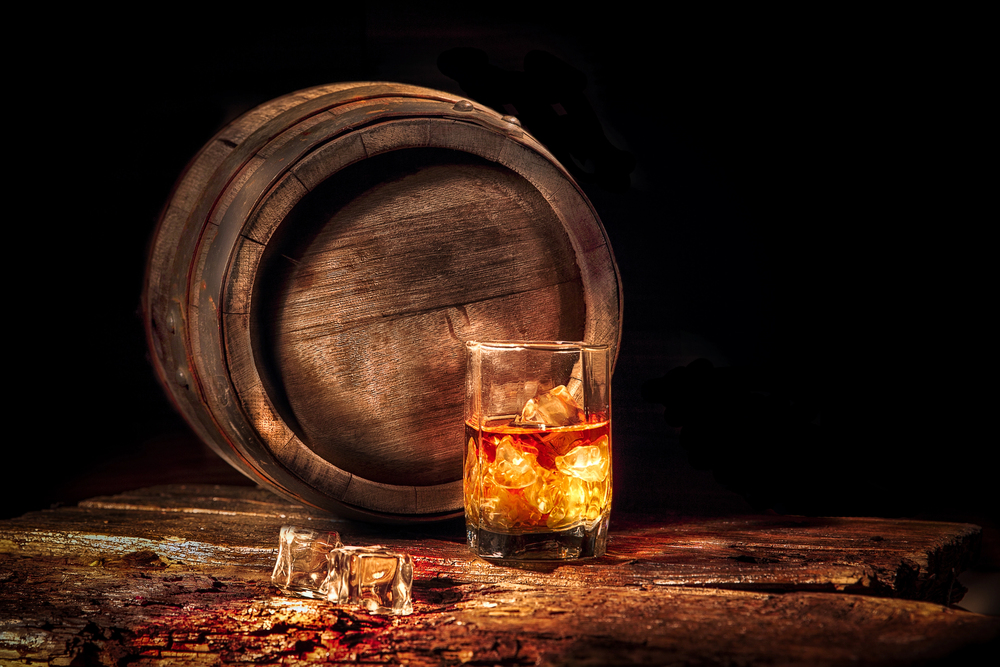
Whisky flavor evolves significantly during the maturation process. It is in this phase that the spirit takes on its unique character, influenced by the cask, the environment, and time. Understanding how maturation impacts whisky flavor gives insight into why every bottle offers such a distinct taste.
Additive Maturation
Additive maturation refers to the process where the whisky absorbs flavors from the wooden cask in which it’s aged. The type of wood, typically oak, plays a significant role in shaping the final flavor. American white oak is most commonly used and is known for imparting flavors such as vanilla, caramel, and light spices.
In addition to the wood itself, the cask’s previous use also contributes to the whisky’s character. For example, ex-bourbon casks are known to enhance sweetness, while sherry casks infuse the whisky with fruit-forward, rich undertones.
Subtractive Maturation
Subtractive maturation occurs when the whisky loses certain undesirable elements, such as harsh or metallic notes, which may be present in the raw distillate. This is achieved through interaction with the wood, which acts as a natural filter. Over time, as the whisky absorbs and releases compounds within the cask, it becomes smoother and more refined.
This stage of maturation is essential for reducing any roughness and developing a more palatable spirit. The gradual loss of these unwanted flavors allows the more desirable characteristics to shine through, contributing to a balanced, enjoyable whisky flavor.
Interactive Maturation
Interactive maturation involves the ongoing exchange between the whisky, the cask, and the external environment. Factors such as temperature fluctuations and humidity levels play a critical role in this phase. During maturation, gases and vapors move in and out of the cask, allowing the whisky to oxidize and evaporate. This process, often referred to as the “angel’s share,” helps concentrate the flavors and aromas over time.
The environment where the barrels are stored affects how these interactions occur. Warmer climates can accelerate maturation, allowing flavors to develop more quickly. In cooler conditions, the process is slower, resulting in a more gradual flavor development. This is why some distilleries store barrels at varying heights within their warehouses, as different temperature zones create distinct flavor outcomes.
Cask Quality and Flavor Development
The quality of the cask is vital to the maturation process. A well-maintained barrel will enhance the whisky’s flavor, while a tired or overused cask can lead to diminished results, no matter how long the spirit is aged. Fresh oak or first-fill barrels are particularly prized for their ability to impart robust flavors, while second or third-fills may bring more subtle contributions.
Many distilleries also experiment with flavor-infused barrels, which have previously held other types of spirits like rum or wine. These barrels provide an added layer of complexity as they transfer the flavors of their previous contents into the whisky, creating a unique and distinctive profile.
Elevate Your Spirits with Red Head Barrels
Red Head Oak Barrels offers wooden barrels for sale and distillery-grade oak aging barrels to help you achieve the perfect flavor in your whiskey, bourbon, rum, or tequila. Our barrels are crafted from new American white oak, making sure of better flavor extraction with less leaking. Contact us today.